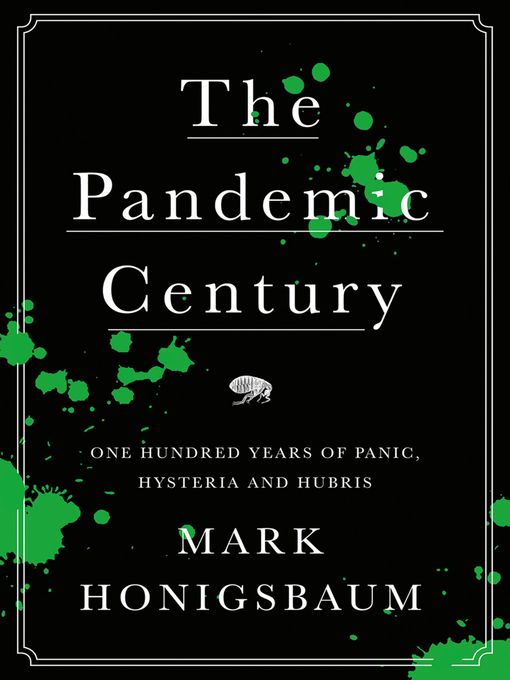
Like sharks, epidemic diseases always lurk just beneath the surface. This fast-paced history of their effect on mankind prompts questions about the limits of scientific knowledge, the dangers of medical hubris, and how we should prepare as epidemics become ever more frequent. Ever since the 1918 Spanish influenza pandemic, scientists have dreamed of preventing catastrophic outbreaks of infectious disease. Yet, despite a century of medical progress, viral and bacterial disasters continue to take us by surprise, inciting panic and dominating news cycles. From the Spanish flu and the 1924 outbreak of pneumonic plague in Los Angeles to the 1930 'parrot fever' pandemic and the more recent SARS, Ebola, and Zika epidemics, the last 100 years have been marked by a succession of unanticipated pandemic alarms. Like man-eating sharks, predatory pathogens are always present in nature, waiting to strike; when one is seemingly vanquished, others appear in its place. These pandemics remind us of the limits of scientific knowledge, as well as the role that human behaviour and technologies play in the emergence and spread of microbial diseases.
- Available now
- New eBook additions
- Travel Guides
- Let Your Garden Grow
- New kids additions
- New teen additions
- Most popular
- Try something different
- Series Starters
- Available Now Ebooks
- Homeschool Resources
- Workbooks for K-8
- Hispanic Heritage
- See all ebooks collections
- Always Available Audio Fiction
- Always Available Audio Nonfiction
- Always Available Audio Romance
- Great Courses
- Pimsleur Language Learning
- Where Have I Heard That Voice Before?
- Listening to Nature
- Available now
- New audiobook additions
- Great Narrators
- Audiobooks for your Commute
- Listen While You Work
- New kids additions
- See all audiobooks collections